
Rahway Library Board Expands Hours and Programming as Usage Climbs
Board cites rising visits and circulation as it approves longer hours, boosts programming funds, and lays groundwork for closer financial oversight.
(The Central Jerseyan)
Chris Howell | January 28, 2026
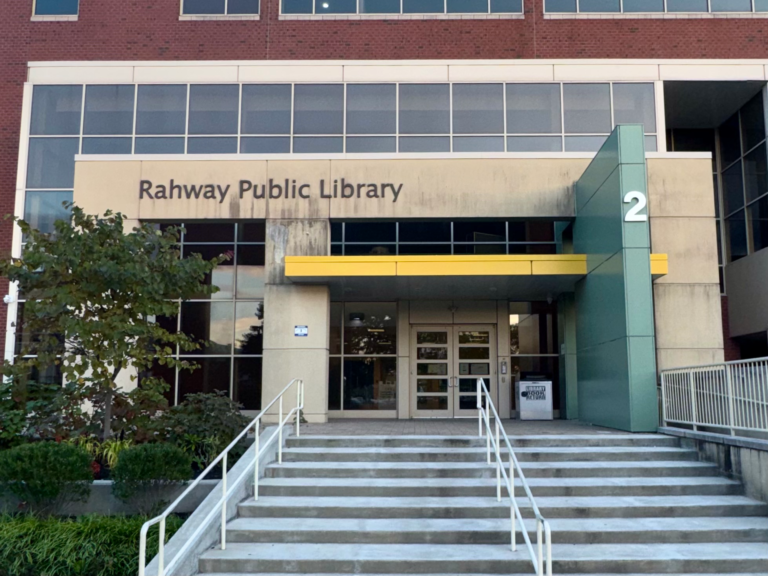
The Rahway Public Library Board of Trustees used its first regular meeting of the year to approve longer operating hours, increased funding for programming, and a new budget.
Director Ian Sloat told trustees that circulation and visits increased in 2025, reinforcing the board’s decision to expand access and invest more heavily in public programming.
Circulation in 2025 was 70,910, which is about 3,000 more than in 2024, Sloat said. The door count was also higher, by about 2,500 visits. In December alone, the children’s programs had more than a thousand participants.
“It was a busy year,” Sloat said.
Board President Shakira Johnson highlighted a major increase in programming funds and urged residents to take advantage of the expanded offerings.
“What I’m most excited about is that the programming line items have gone up,” Johnson said. “We’re really looking forward to seeing what programs the staff come up with, and we want the public to come out. If you have ideas for programs, share them — but when you see these programs, show up and show out.”
DON’T LET AN ALGORITHM DECIDE YOUR NEWS
Independent hyperlocal news that’s fast, fair, and accurate.
Trustees approved additional funding for children’s, adult, and young adult programming, with each area receiving $18,000 for the year. Interlibrary loan deliveries were also increased from three to five days per week to meet growing demand.
Yet as services expand, the board acknowledged ongoing maintenance challenges in the library’s relatively modern building. Sloat outlined recent repairs involving HVAC leaks, heating issues, bathroom fixtures, and repeated elevator shutdowns, noting that at least one elevator safety item remains unresolved.
The discussion underscored a continuing tension for the board over how to support expanded programming and longer hours while addressing persistent building-related problems that have required repeated vendor intervention.
In related business, Sloat presented details of the 2026 temporary budget, which increases spending on programming, digital materials, and public-facing technology, while personnel costs decline from 2025 levels. Maintenance and utilities remain covered under the city’s shared services agreement.
The board also approved issuing a Request for Qualifications, or RFQ, for an independent operational audit. An RFQ is a formal process used by public bodies to evaluate the experience and credentials of professional service firms. Unlike a traditional bid focused primarily on price, an RFQ prioritizes qualifications, with costs negotiated later.
Sloat said the audit is required under the shared services agreement with the city and is expected to review finances, staffing, workflows, and long-term operations.
Trustees were also informed that interior security cameras are now fully installed, with outdoor cameras planned for later in the year. Library officials described the cameras as an operational and safety upgrade.
At the same time, immigrant advocates have raised concerns in other public forums, including City Hall meetings, about how increased surveillance in public buildings can affect immigrant communities. Advocates have said many immigrant residents are too fearful of potential federal immigration enforcement to voice those concerns themselves in public meetings.
Additional actions approved during the meeting included appointing legal counsel for 2026, designating official newspapers and banking institutions, naming the library director as custodian of petty cash, and recognizing staff milestones, including a recent retirement and a 35th service anniversary.
Taken together, the meeting reflected a library entering 2026 with strong public demand. It expanded offerings, while facing ongoing questions about infrastructure, oversight, and how best to balance growth with long-term stability.